Professional area rug cleaning selected according to fiber, construction, dye stability, backing, fringe, age and condition, including evaluation of hand-knotted, hand-tufted, flatweave and machine-made rugs.
Every area rug cleaning project is evaluated by material, condition, size, access and the specific concerns you want addressed.
Area rugs are not all built the same. A hand-knotted wool rug, a machine-made polypropylene rug, a tufted rug with latex backing, a flatweave kilim, and a silk-blend decorative rug can require very different handling. We evaluate the rug before recommending a cleaning method, with particular attention to fiber type, weave, dye stability, fringe, backing, age, prior treatments, and overall condition.
Two rugs that look similar from the top can behave very differently during cleaning.
These categories help explain why fiber and construction matter. The visual examples below are representative; the actual rug is always inspected before we recommend a cleaning method.
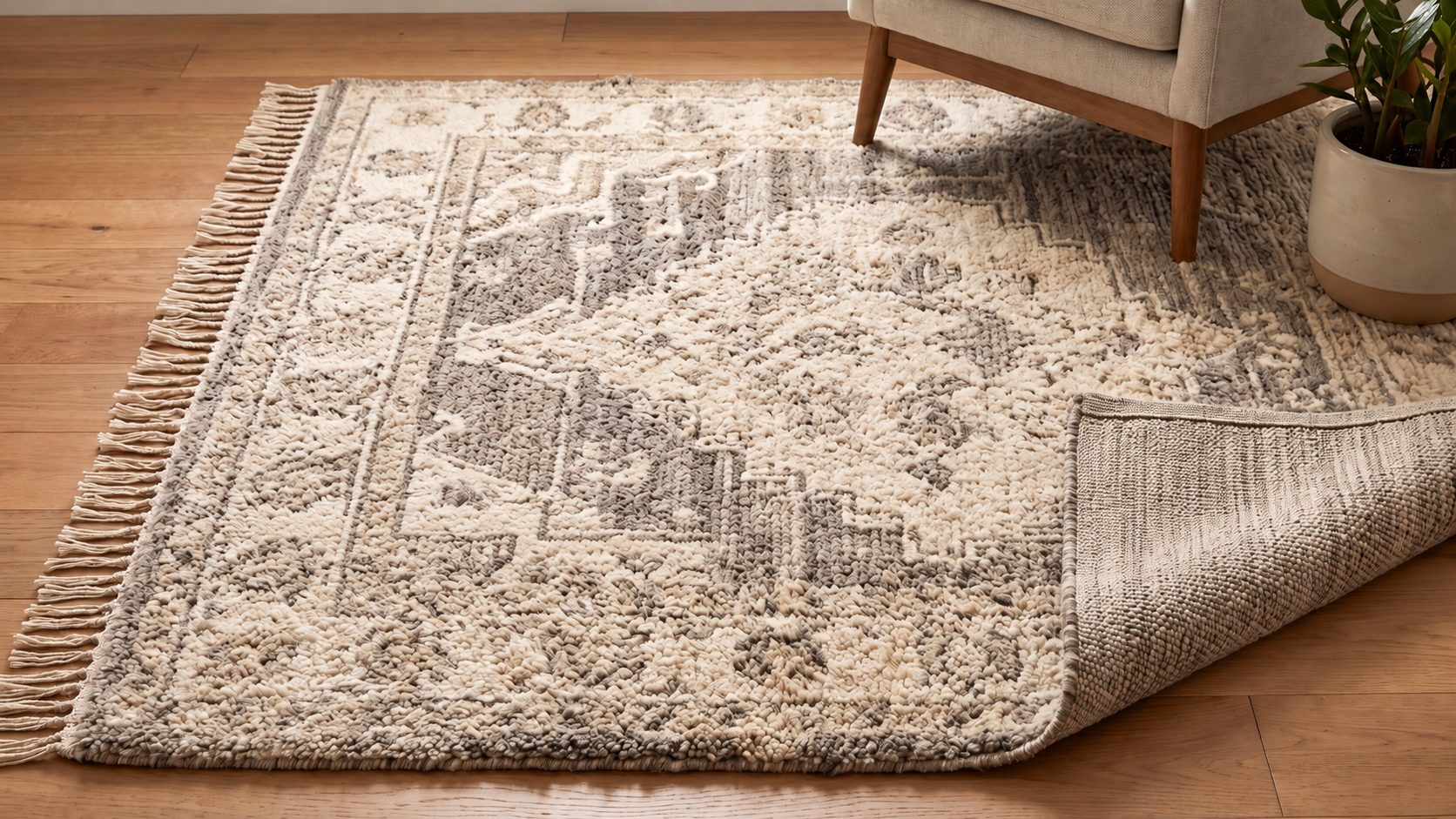
Durable natural fiber that requires attention to dyes, pH, moisture, fringe, and pile condition.
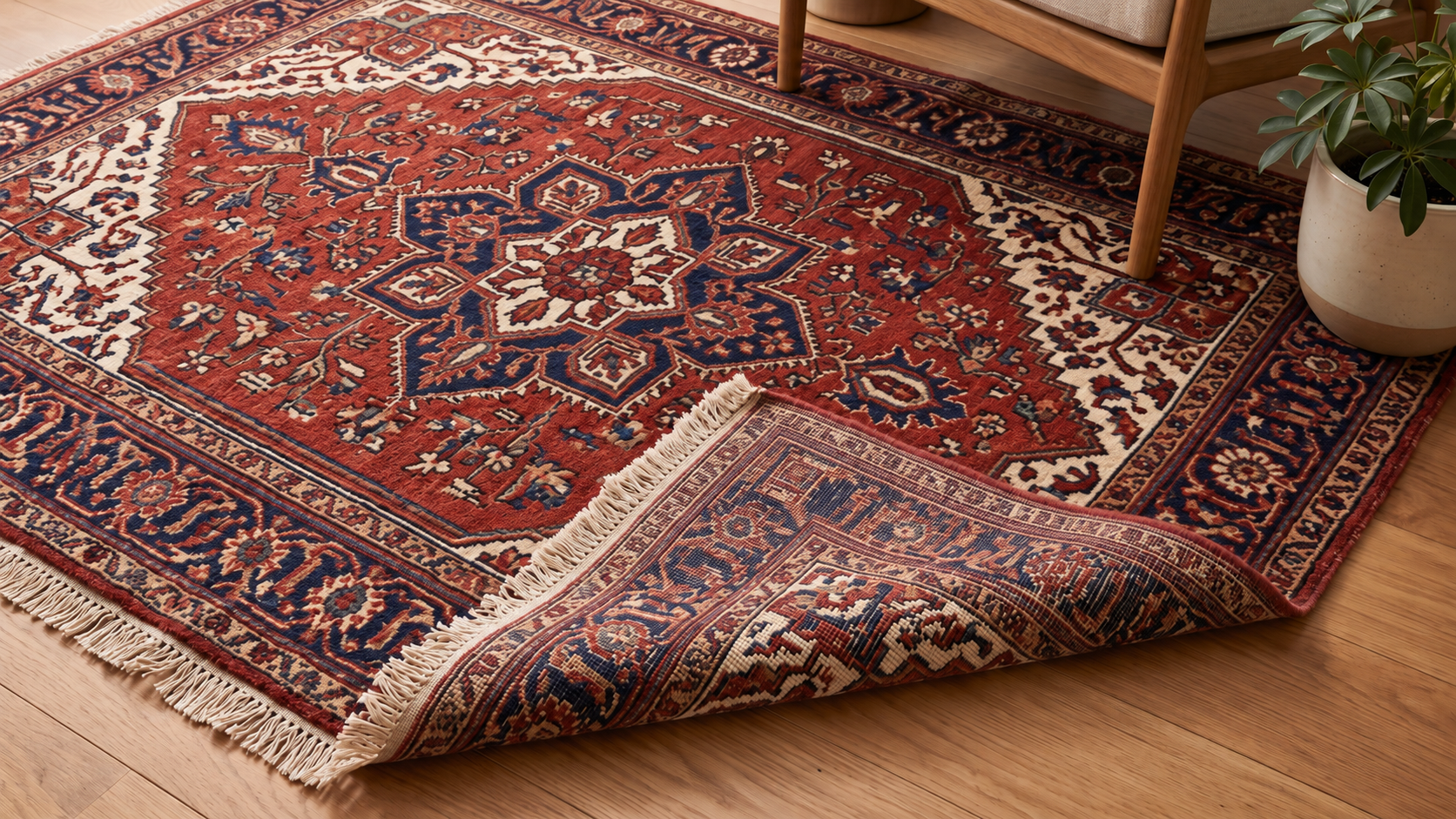
Individual knots form the pile. Construction, dyes, age, repairs, fringe, and side cords all matter.
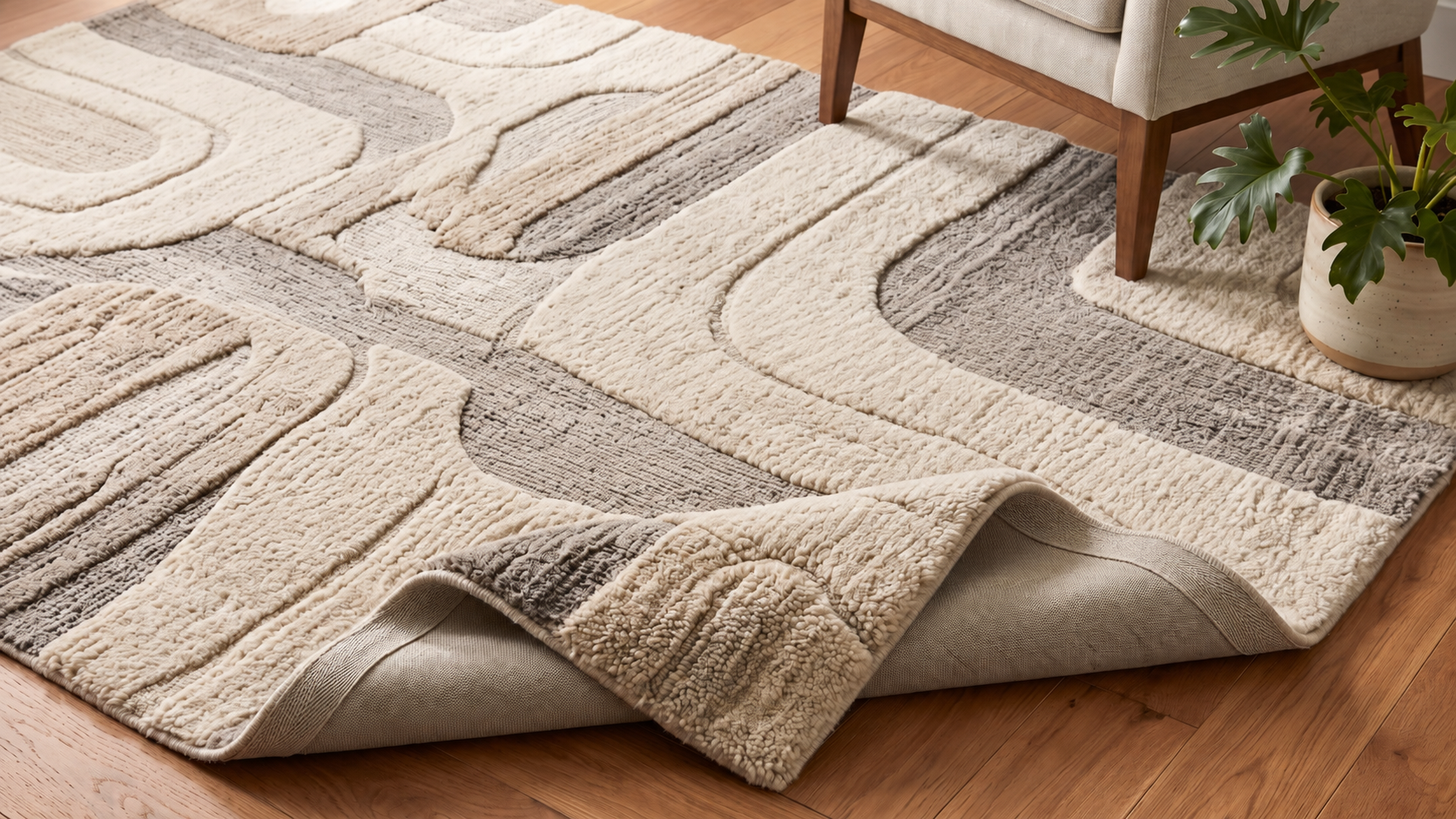
Often built with yarn punched through backing and held with latex or adhesive that can deteriorate with age.
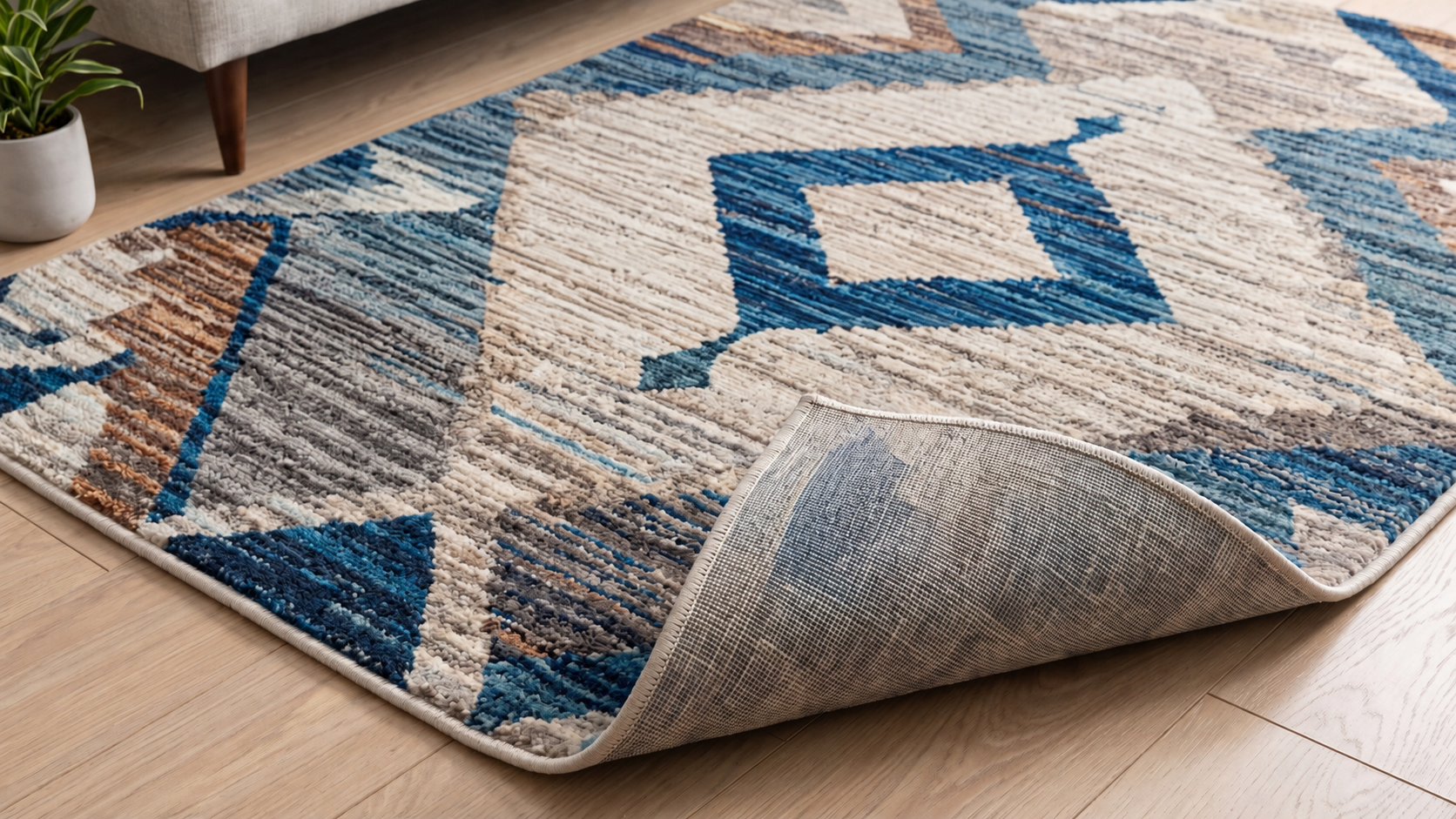
May use polypropylene, nylon, polyester, acrylic, wool blends, or other fibers with varied backing systems.
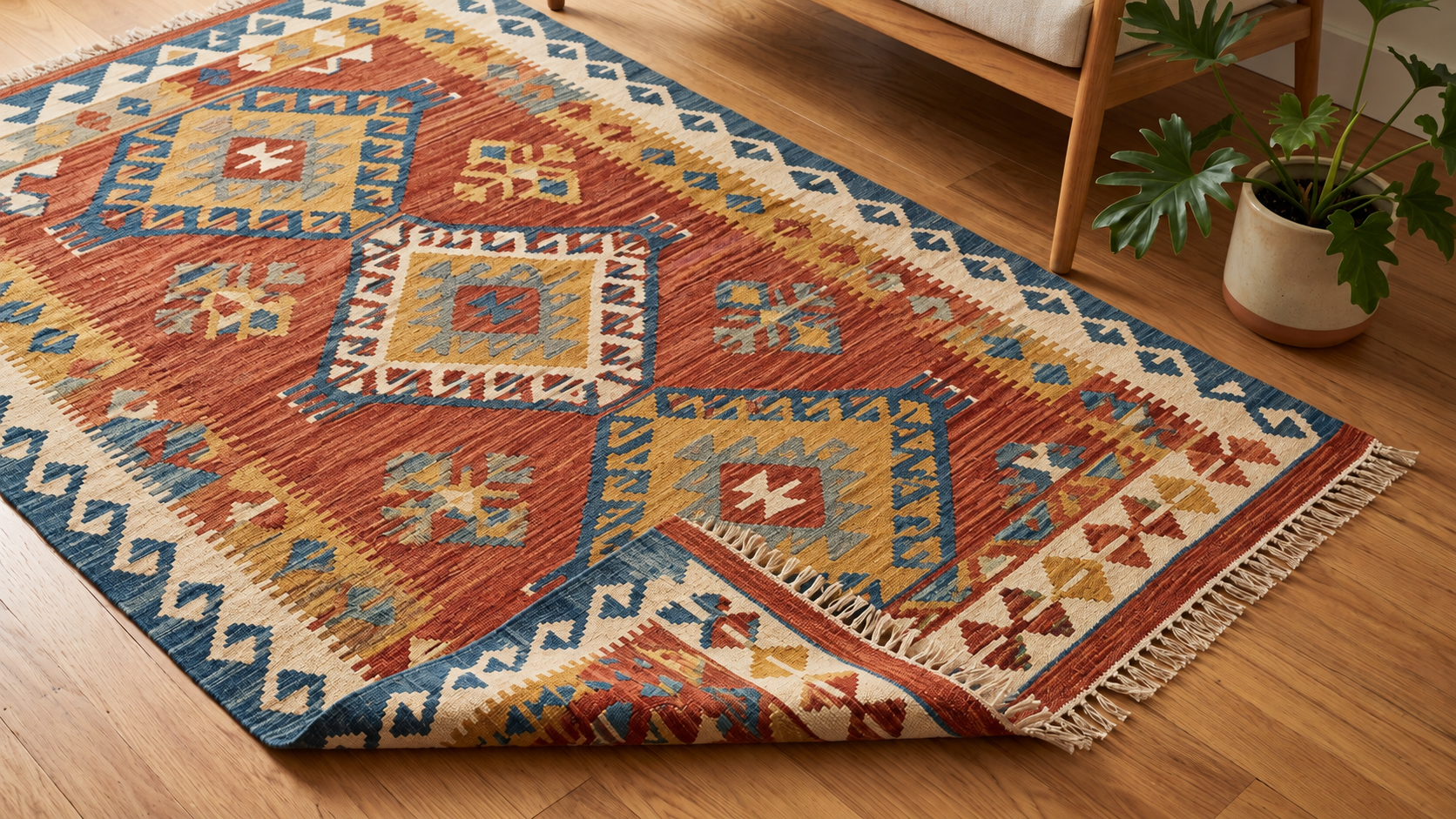
Woven without a conventional pile. Distortion, edge condition, dyes, and fiber type guide the cleaning approach.
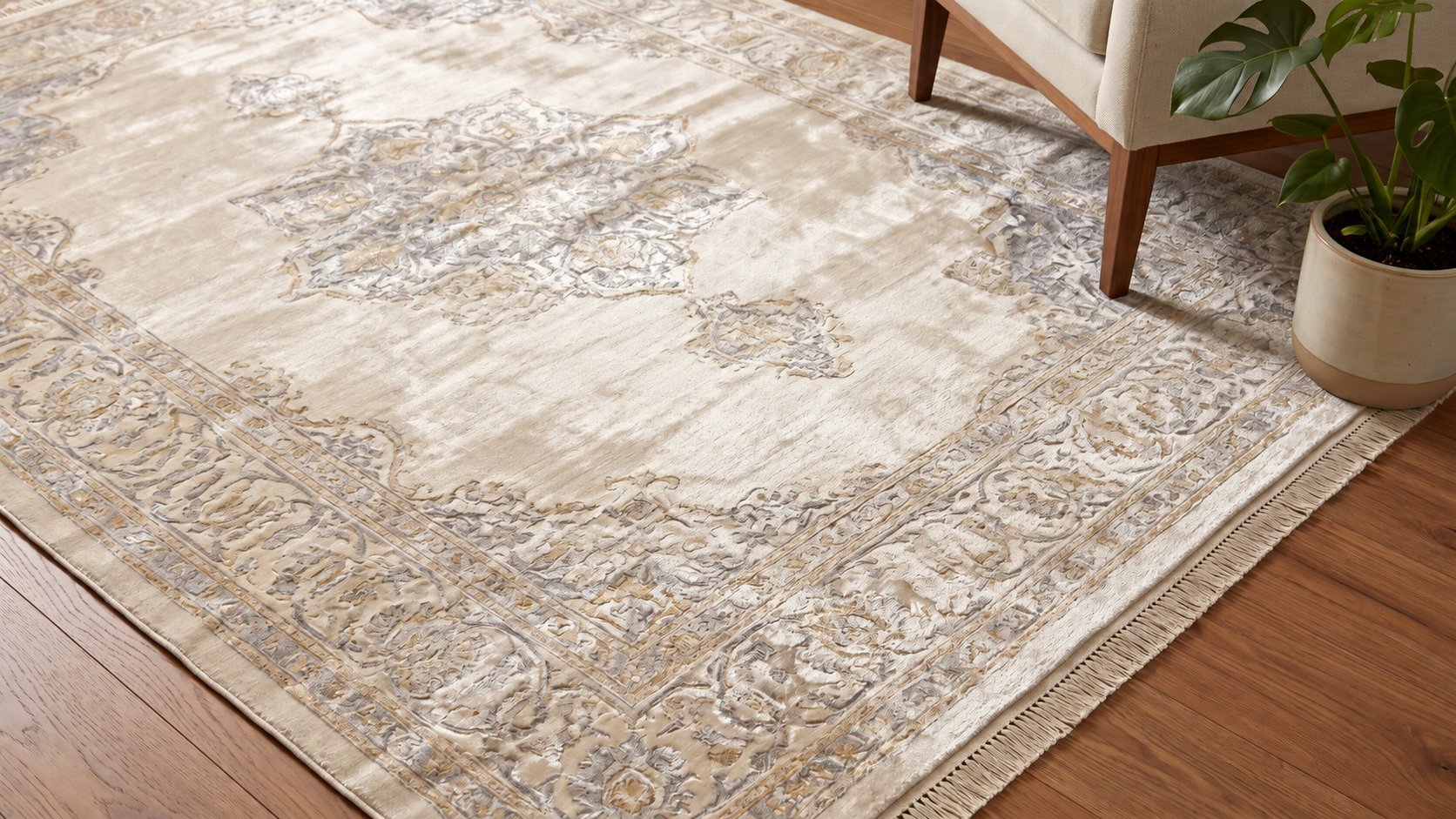
Decorative fibers that can be more sensitive to moisture, pile distortion, texture change, and water marking.
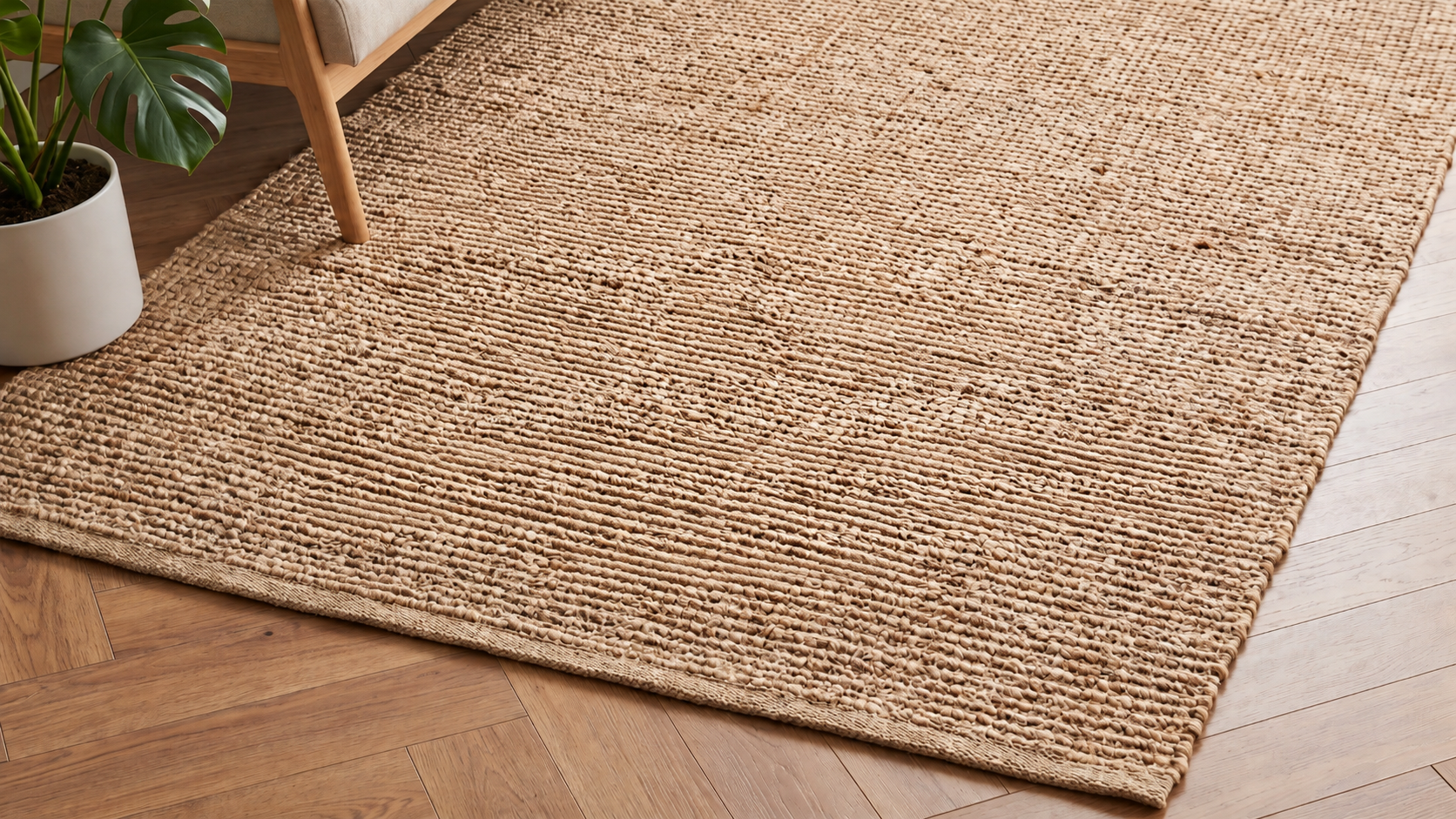
Natural plant fibers that can react differently to moisture and staining and may require a more limited approach.
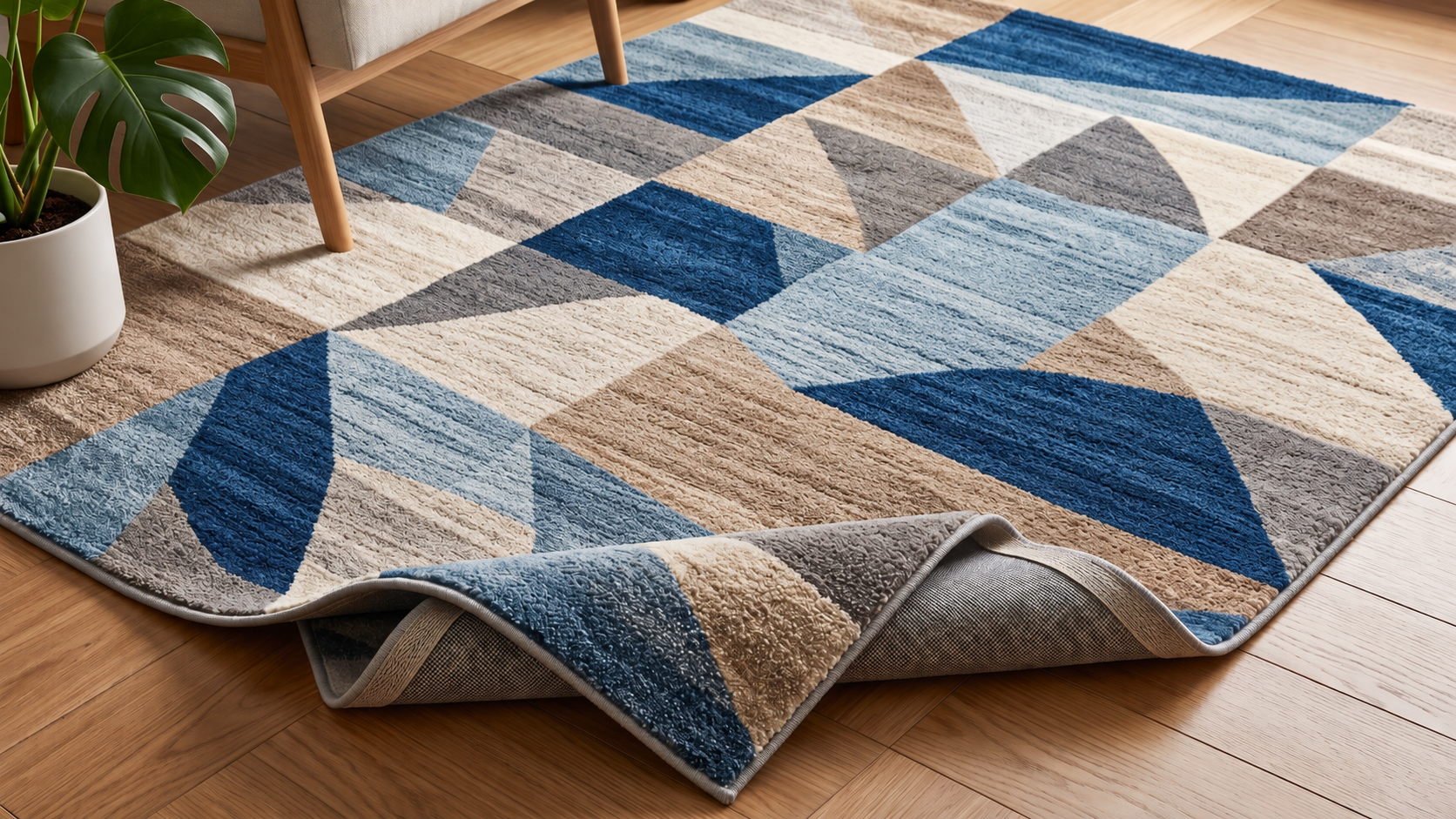
Common machine-made fibers with different soil, stain, heat, backing, and wear characteristics.
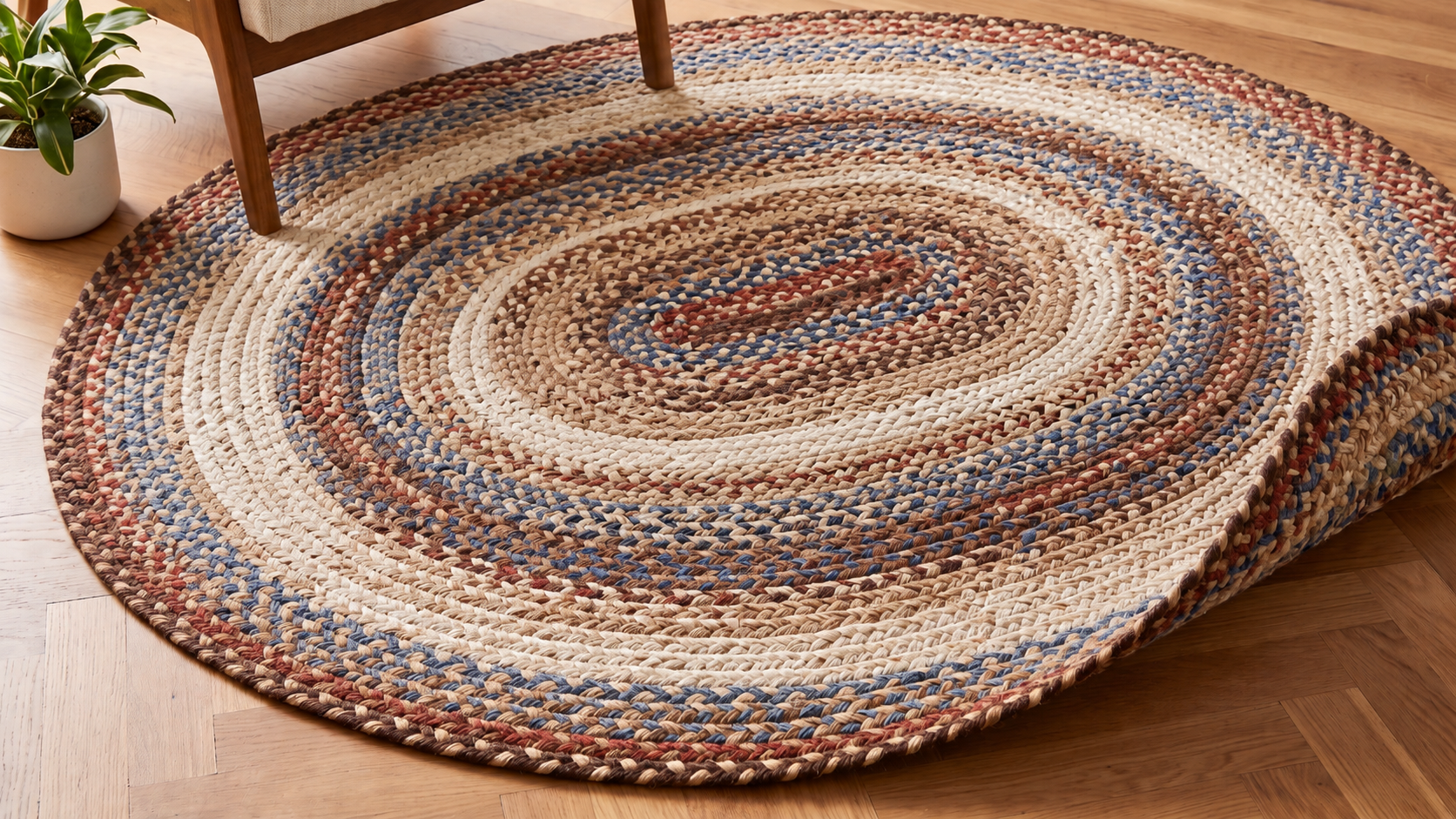
Construction, stitching, edge integrity, fiber mix, and backing determine whether and how they should be cleaned.
Hand-knotted and hand-woven rugs require closer inspection of fiber, knot structure, dye stability, fringe, side cords, prior repairs, and age. We avoid treating them like ordinary wall-to-wall carpet and select the method based on the individual rug.
Machine-made rugs may be constructed from polypropylene, nylon, polyester, acrylic, wool blends, or other fibers. The backing, pile construction, heat setting, and prior wear still matter when choosing a cleaning approach.
Wool is durable but can respond differently to moisture, alkalinity, agitation, and heat than synthetic fibers. We evaluate color stability, pile condition, fringe, and construction before cleaning.
Silk, viscose, rayon, and some decorative fibers can be more sensitive to water marking, texture change, pile distortion, and color movement. These rugs may require a more limited or specialized cleaning approach.
Fringe and edge construction are inspected separately because wear, staining, prior repair, and fiber weakness can differ from the main rug body. Fringe appearance may not return to a uniform original color when aging or permanent discoloration is present.
Some tufted and backed rugs contain latex or adhesive layers that can deteriorate with age. Cracking, powdering, odor, separation, or previous water damage can limit what cleaning can safely accomplish.
1. Identify
Review fiber, weave, backing, fringe, and visible construction.
2. Inspect
Check dye stability, wear, stains, pet concerns, repairs, and prior damage.
3. Confirm
Explain the recommended cleaning approach, limitations, scope, and price.
4. Clean
Use a method selected for the rug's material, construction, and condition.
5. Review
Review the completed rug and provide drying and aftercare guidance.
Some rugs contain dyes that can move when exposed to moisture or cleaning chemistry. Testing and construction review help guide the cleaning approach, but older or unstable dyes may still limit treatment options.
Urine or other contamination may travel through the pile into backing, adhesive layers, padding, or flooring below. Surface cleaning may not fully correct deep contamination or permanent dye change.
Traffic lanes, pile crushing, sun fading, abrasion, and fiber loss can look like dirt but may remain after cleaning because they are physical wear rather than removable soil.
Prior chemicals, home remedies, bleaching agents, over-wetting, or aggressive scrubbing can alter dye, texture, backing, or fiber condition before we ever see the rug.
We evaluate wool, synthetic, hand-knotted, hand-woven, and selected delicate rugs. The final cleaning approach depends on fiber, dye stability, construction, backing, fringe, age, condition, and prior treatment.
No. Handmade and machine-made rugs can differ in yarn, dyes, knotting, backing, adhesives, fringe construction, and overall sensitivity. We assess the individual rug rather than applying one fixed method.
In a hand-knotted rug, yarn is tied into the foundation to form the pile. Hand-tufted rugs are typically made by punching yarn through a backing and often rely on adhesive or latex to hold the construction together. That backing condition can affect cleaning decisions.
Some silk, viscose, rayon, and delicate-fiber rugs can be evaluated for cleaning, but they may be more sensitive to moisture, texture change, pile distortion, and color movement. A limited or specialized approach may be recommended.
Suitable surface contamination may improve with targeted treatment, but urine that has penetrated backing, adhesive, padding, or flooring can be more difficult to correct. Permanent color change can also remain.
Fringe is inspected as a separate part of the rug. Its fiber, age, staining, prior repairs, and wear can differ from the rug body, so the expected result may also differ.
No. Some rugs are suitable for on-site surface cleaning, while others may require a different process because of fiber, dye stability, construction, backing, contamination, or overall condition. We explain that before work begins.
No. Cleaning can remove suitable soil, but it does not reverse sun fading, pile loss, abrasion, permanent discoloration, or structural wear.
Explore dedicated local pages for this service across Maryland, Washington DC and Northern Virginia.
Select your service, condition and project details to see a preliminary estimate range.
Start Your Estimate